We've got your six: building trust in an Army team
Camaraderie takes everyday follow-through
Trust is built in ordinary moments
A team learns what it can count on by watching what people do. Show up prepared, pass along the information someone needs and follow through when you say you will help.
Make support specific
Offer to review a task, help a new Soldier find the right office or make time for a conversation. Small, useful actions say more than a slogan.
What camaraderie means here
Camaraderie is the sense that you belong to a team and can rely on the people around you. It should leave room for honest disagreement. Being a good teammate does not require pretending that every decision is right.
Give people a place on the team
Make expectations clear and explain how each person's work contributes. Invite questions, especially from someone new to the unit. Do not make a Soldier guess whom to ask or how to get help.
Notice when someone is being left out
Check who is missing from the conversation or repeatedly handling problems alone. Ask directly, without assuming you know the reason. Peer support matters, but it should not replace professional help when someone needs it.
Lead through follow-through
Keep the commitments you make. Explain decisions when you can, own mistakes and correct problems without turning every conversation into a public performance. Trust is harder to ask for when people have learned that your answer changes depending on who is listening.
Build it into the routine
- Pair new Soldiers with someone who can answer practical questions.
- Make space for feedback after training.
- Recognize useful work, not only the most visible result.
- Check that team activities include rather than isolate people.
Shared effort is a chance to build trust; hardship alone does not guarantee it.
Start with one useful action
Ask a teammate what would help this week, then follow through. If shared PT is part of that plan, agree on a realistic goal and respect each person's restrictions. A tracking tool can organize practice, but the relationship comes from how you treat one another.
Watch and discuss
The videos linked below offer a way to start a conversation about loyalty and support. Use them as a discussion prompt if they are useful to your team. Ask what those ideas would look like in a specific daily task rather than treating a video as evidence that every unit experiences the same bond.
Put values into practice
Respect can mean listening before correcting. Integrity can mean acknowledging an error in a record. Selfless service can mean helping with an unglamorous task. Make the behavior clear enough that someone else can recognize it and repeat it.
Keep the connection beyond the task
A brief check-in after a course, move or transition can be worthwhile. Leave room for people to describe service differently from you. Shared experience does not mean everyone had the same experience.
Be dependable, not indispensable
A healthy team should not depend on one person doing everything. Share knowledge, help others learn the task and make it easier for the next Soldier to take responsibility. That is a more useful goal than being the only person who knows how something works.
Frequently asked questions
What does 'got your six' mean here? It is a way of saying you have someone's back.
How do you build camaraderie? Start with reliable, respectful behavior and clear expectations.
Does loyalty mean staying quiet? No. Raising a concern or asking for help can be part of taking care of the team.
Earlier reading
Links carried forward from this article are listed for further reading, not as verification of current policy or of the claims in earlier editions.
- ArmyFit (1)
- youtube.com (2)
- facebook.com (3)
- armyupress.army.mil (4)
- U.S. Army resource (5)
- dvidshub.net (6)
- palmcenterlegacy.org (7)
- law.berkeley.edu (8)
- militarytimes.com (9)
- pmc.ncbi.nlm.nih.gov (10)
- pmc.ncbi.nlm.nih.gov (11)
- pmc.ncbi.nlm.nih.gov (12)
- journals.sagepub.com (13)
Credits
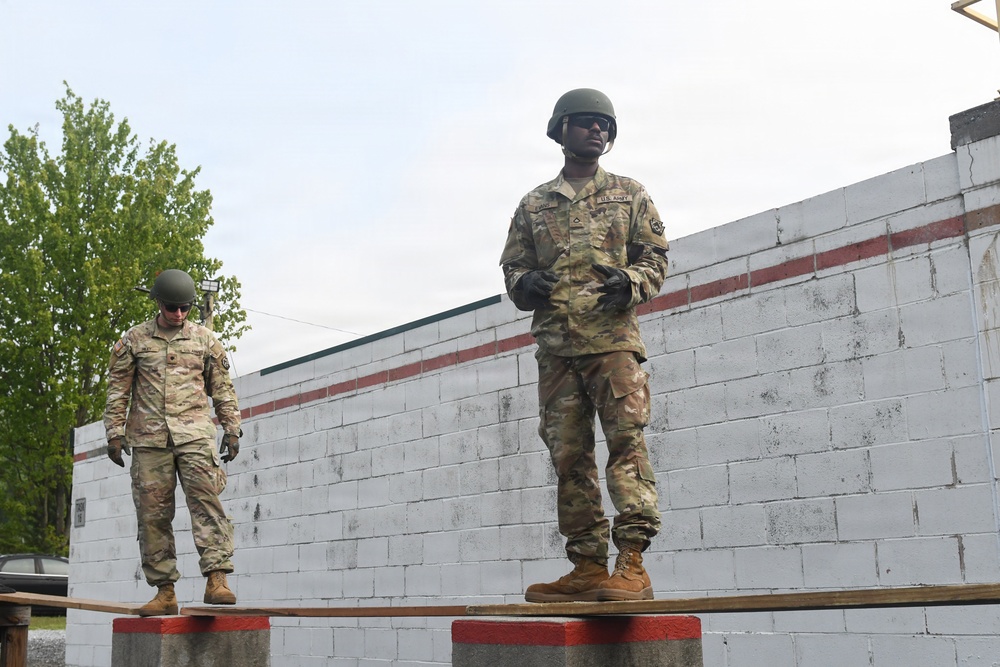
Photo: Spc. Aliyah Vivier / DVIDS. 08.08.2026.
The appearance of U.S. Department of War (DoW) visual information does not imply or constitute DoW endorsement.